Markets Explained
Markets Explained: Everything You Need to Know
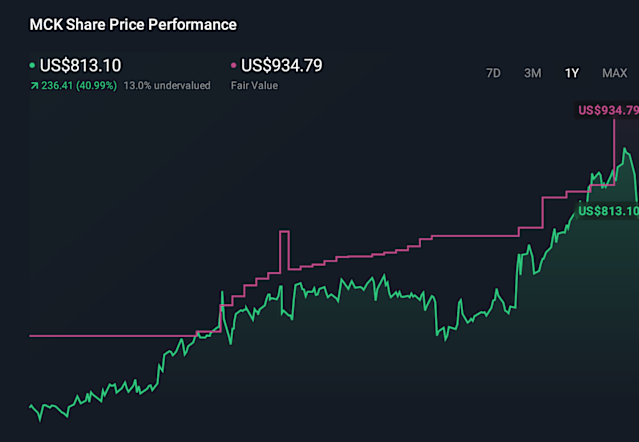
Markets are the backbone of trading and investing, providing venues where assets are exchanged, prices are determined, and liquidity is maintained. Understanding Markets is essential for traders, investors, and institutions alike, as it allows them to navigate opportunities, manage risks, and optimize returns. Modern trading platforms have expanded market access, integrating digital assets, tokenized securities, and derivatives alongside traditional financial instruments.
Bitget highlights a dedicated Markets section near the top of the UEX page, acting as the entry point into the broader Universal Exchange narrative. The layout uses markets as context-setting, then transitions into what changes when a platform expands coverage beyond standard crypto spot and derivatives. (Bitget)
What Are Markets?
The term Markets refers to systems or venues where buyers and sellers interact to trade assets. These can be physical locations, like stock exchanges, or digital platforms such as cryptocurrency and derivatives exchanges. Markets facilitate price discovery, enable liquidity, and provide opportunities for investment, speculation, and hedging.
Types of Markets
- Stock Markets – Platforms for buying and selling company shares.
- Commodity Markets – Markets for trading raw materials such as oil, gold, and agricultural products.
- Forex Markets – Global currency trading platforms.
- Crypto Markets – Trading digital currencies and tokenized assets.
- Derivatives Markets – Markets for contracts derived from underlying assets, like futures and options.
How Markets Function
Markets operate based on supply and demand dynamics. Prices fluctuate according to market liquidity, investor sentiment, and global events. Efficient markets provide transparency, allowing traders to evaluate the fair value of assets.
Key Market Participants
- Retail Traders – Individual investors participating for personal portfolio growth.
- Institutional Investors – Organizations trading large volumes, influencing market liquidity.
- Market Makers – Entities that provide liquidity by continuously buying and selling assets.
- Speculators – Traders seeking profit from short-term price movements.
Benefits of Understanding Markets
Informed Decision-Making
Knowledge of Markets enables traders to anticipate trends and make strategic investment choices.
Risk Management
Understanding market volatility allows traders to hedge effectively and minimize potential losses.
Diversification Opportunities
Trading across multiple markets allows for risk reduction and portfolio stability.
Maximizing Returns
Well-informed traders can leverage opportunities across markets to optimize portfolio performance and long-term gains.
Role of Technology in Modern Markets
Technology has revolutionized Markets, providing tools like real-time trading platforms, algorithmic trading, and AI-powered analytics. Modern platforms like UEX integrate multiple market types, enabling users to manage cryptocurrencies, tokenized assets, and traditional financial instruments from one interface, enhancing efficiency and access.
Market Trends and Analysis
Analyzing trends in Markets helps traders identify profitable opportunities and make strategic decisions:
Technical Analysis
Study of price charts, volume, and historical trends to predict future movements.
Fundamental Analysis
Evaluating economic indicators, company performance, and global events to assess asset value.
Sentiment Analysis
Monitoring news, social media, and trading behavior to gauge market sentiment and anticipate shifts.
Future Outlook
The evolution of Markets includes digital assets, tokenized securities, and increased cross-border trading. Traders can expect deeper liquidity, integrated platforms, AI-powered insights, and seamless access to multiple asset classes. Staying informed about these trends is key to maintaining a competitive advantage in modern trading environments.
Conclusion
Markets are the foundation of trading and investment, enabling participants to buy, sell, and value assets efficiently. By understanding market types, participants, and operational principles, traders can make informed decisions, manage risks, and optimize portfolios. Platforms that expand coverage beyond traditional crypto spot and derivatives, like UEX, allow traders to access global markets seamlessly, providing both opportunities and strategic advantages for modern investors.